
Let's Call You
By filling out the contact form below, you can have our overseas education consultants contact you.
Popular Universities


General Information About Portugal
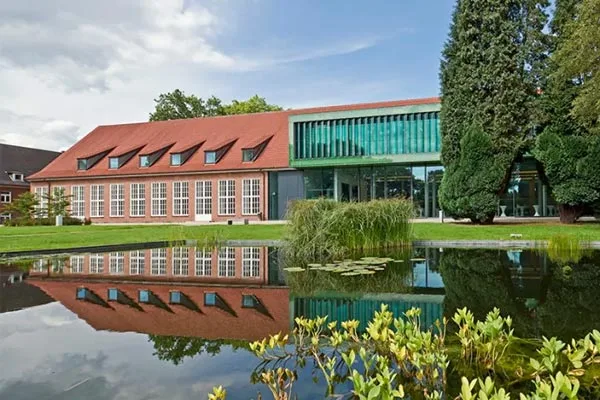
Portugal is a European country located in southwestern Europe, on the western side of the Iberian Peninsula, with a coastline along the Atlantic Ocean. Sharing a land border with Spain, Portugal is one of Europe's notable countries thanks to its historic cities, natural beauty, mild climate, and rich cultural heritage. Lisbon is the capital city, while Porto, Braga, Coimbra, and Faro are among the country's other major cities.
Portugal is a member of the European Union and the Schengen Area and is among the countries preferred by international students for education, tourism, and living. A mild Mediterranean-influenced climate can be experienced across different parts of the country. Its historic landmarks, coastal cities, natural landscapes, and vibrant social life make Portugal an attractive educational destination for students.
In terms of education, Portugal offers different educational pathways according to students' academic and professional goals. In addition to public schools, there are private and international schools. Private schools and international institutions offering education in English, in particular, are important alternatives for international students.
Studying at High School in Portugal: What Types of High Schools Are There?
Secondary education in Portugal is generally divided into different programs according to students' academic or professional goals. Students can either continue with an academic education or choose vocational and technical education programs.
Here is an overview of high school education in Portugal:
General Secondary Education (Cursos Científico-Humanísticos): These are academically oriented high school programs designed for students who wish to continue their education at university. Students can specialize in different areas s...
General Information About Portugal
Portugal is a European country located in southwestern Europe, on the western side of the Iberian Peninsula, with a coastline along the Atlantic Ocean. Sharing a land border with Spain, Portugal is one of Europe's notable countries thanks to its historic cities, natural beauty, mild climate, and rich cultural heritage. Lisbon is the capital city, while Porto, Braga, Coimbra, and Faro are among the country's other major cities.
Portugal is a member of the European Union and the Schengen Area and is among the countries preferred by international students for education, tourism, and living. A mild Mediterranean-influenced climate can be experienced across different parts of the country. Its historic landmarks, coastal cities, natural landscapes, and vibrant social life make Portugal an attractive educational destination for students.
In terms of education, Portugal offers different educational pathways according to students' academic and professional goals. In addition to public schools, there are private and international schools. Private schools and international institutions offering education in English, in particular, are important alternatives for international students.
Studying at High School in Portugal: What Types of High Schools Are There?
Secondary education in Portugal is generally divided into different programs according to students' academic or professional goals. Students can either continue with an academic education or choose vocational and technical education programs.
Here is an overview of high school education in Portugal:
General Secondary Education (Cursos Científico-Humanísticos): These are academically oriented high school programs designed for students who wish to continue their education at university. Students can specialize in different areas such as science, technology, social sciences, or humanities according to their interests. These programs provide an academic preparation pathway for students planning to attend university.
Vocational and Technical Education (Cursos Profissionais): These programs aim to provide students with knowledge and practical skills in specific professions or areas of specialization. In addition to theoretical courses, emphasis is placed on practical training and professional skills. Upon completion, students can either prepare for employment or, subject to meeting the relevant requirements, continue to higher education.
Arts Education Programs: Portugal also offers specialized educational options for students interested in areas such as music, visual arts, and other creative disciplines. These programs allow students to develop their artistic talents alongside their academic education.
International Schools: Portugal, particularly cities such as Lisbon, Cascais, and Porto, is home to a number of private schools offering international education. These schools may provide instruction in English and other languages and may follow international curricula. Some schools also offer international programs such as the IB Diploma Programme.
Secondary education in Portugal generally covers a three-year period for students between approximately 15 and 18 years of age. During this period, students choose an educational pathway based on their academic or professional goals. Students planning to attend university complete the academic preparation required for higher education according to their chosen high school program.
High School Application Periods in Portugal
High school application periods in Portugal may vary depending on the type of school, educational program, and grade level for which the student is applying. While applications to public schools are generally conducted during specific periods, private and international schools may determine their own admission calendars.
Applications to private and international schools may need to be submitted several months before the start of the academic year. Applying early can be particularly important for schools with limited places.
Since application deadlines may vary from one school to another, students should check the current academic calendar and admission requirements of their chosen institution. For international students, the application, admission, and enrollment processes should be planned together with the necessary visa procedures.
Admission Requirements for High Schools in Portugal
Admission requirements for high schools in Portugal may vary depending on the type of school, the student's age, previous education, and the selected program. However, international students may generally be asked to provide the following documents and meet certain requirements:
Academic Performance: The student's report cards and transcripts from previous academic years may be taken into consideration during the evaluation process. Some private and international schools may base admission decisions on academic performance.
Language Proficiency: Depending on the language of instruction, proficiency in Portuguese or English may be required. International schools offering education in English may assess a student's English level through an examination, assessment, or interview.
Application Form and Documents: The application file may include documents showing the student's educational background, report cards or transcripts, passport, student information, and other documents requested by the school.
Examinations and Interviews: Some private and international schools may conduct examinations or interviews to assess the student's academic level, language skills, and suitability for the educational program.
Visa and Residence Procedures: Turkish citizens planning to study at high school in Portugal for an extended period may need to complete the necessary visa and residence procedures depending on the duration and nature of their educational program.
Since admission requirements and required documents may differ from school to school, it is important to review the current admission criteria of the chosen institution before applying.
Which Cities Are Suitable for High School Education in Portugal?
There are educational opportunities for high school students in different cities across Portugal. When choosing a city, factors such as the school's educational program, language of instruction, campus facilities, accommodation options, and the student's academic goals should be considered together.
Lisbon: As the capital and one of Portugal's largest cities, Lisbon offers a wide range of private and international schools. It stands out with its international student population, cultural diversity, and social opportunities.
Porto: One of Portugal's major cities, Porto is known for its historic character and educational institutions. The city offers private and international schools with a variety of educational programs.
Cascais: Located close to Lisbon, Cascais is particularly popular with international families thanks to its coastal lifestyle and safe, peaceful environment. The area is home to schools offering international education.
Braga: Located in northern Portugal, Braga is known for its historical and cultural heritage as well as its student population. It can be an alternative for students who prefer studying in a quieter city environment.
Coimbra: Known for its long-standing educational tradition, Coimbra is one of Portugal's important student cities. It stands out for its academic atmosphere and historic character.
Faro: Located in the Algarve region, Faro attracts attention with its mild climate and natural beauty. The educational opportunities and international environment in the region can provide an alternative for students seeking a different living experience.
When choosing a high school in Portugal, students should consider not only the city but also the school's educational system, language of instruction, academic program, accommodation opportunities, and their long-term university goals.
Free High School Education in Portugal
In Portugal, education at publicly funded schools may be free or available at a low cost at certain levels of the education system. However, international students may face different admission requirements and language-of-instruction conditions when applying to public schools.
Private and international schools, on the other hand, charge tuition fees. Tuition costs may vary depending on the school's location, language of instruction, curriculum, campus facilities, and services provided.
Some private schools and educational institutions in Portugal may offer scholarships or financial support opportunities for high school education. Scholarship coverage, eligibility requirements, and evaluation criteria may vary between institutions.
For students planning to attend high school in Portugal, it is important to choose a school by considering academic goals, language of instruction, budget, accommodation, and future university plans together. At NGGlobal, we provide personalized guidance throughout the school selection, application, admission, visa, and accommodation processes for students planning to study at high school in Portugal.
Scholarship and Free Education Opportunity in Italy!
Apply now for Bachelor and Master's programs in English and Italian in Italy, free education opportunity take advantage.

By filling out the contact form below, you can have our overseas education consultants contact you.