






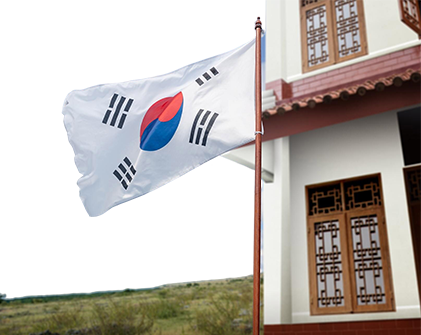
Studying At University İn South Korea
South Korea has become one of the leading education destinations in Asia thanks to its strong academic institutions, technological innovation, and modern learning environment. The country is home to globally recognized universities and is especially strong in fields such as engineering, technology, business, and design. With global companies such as Samsung, LG, and Hyundai headquartered in the country, South Korea offers excellent career and internship opportunities for students.
Undergraduate programs in South Korea usually take four years to complete, while master’s programs typically last two years. Many universities offer English-taught programs specifically designed for international students. Modern campuses, advanced research facilities, and strong industry connections make South Korea an attractive destination for higher education.
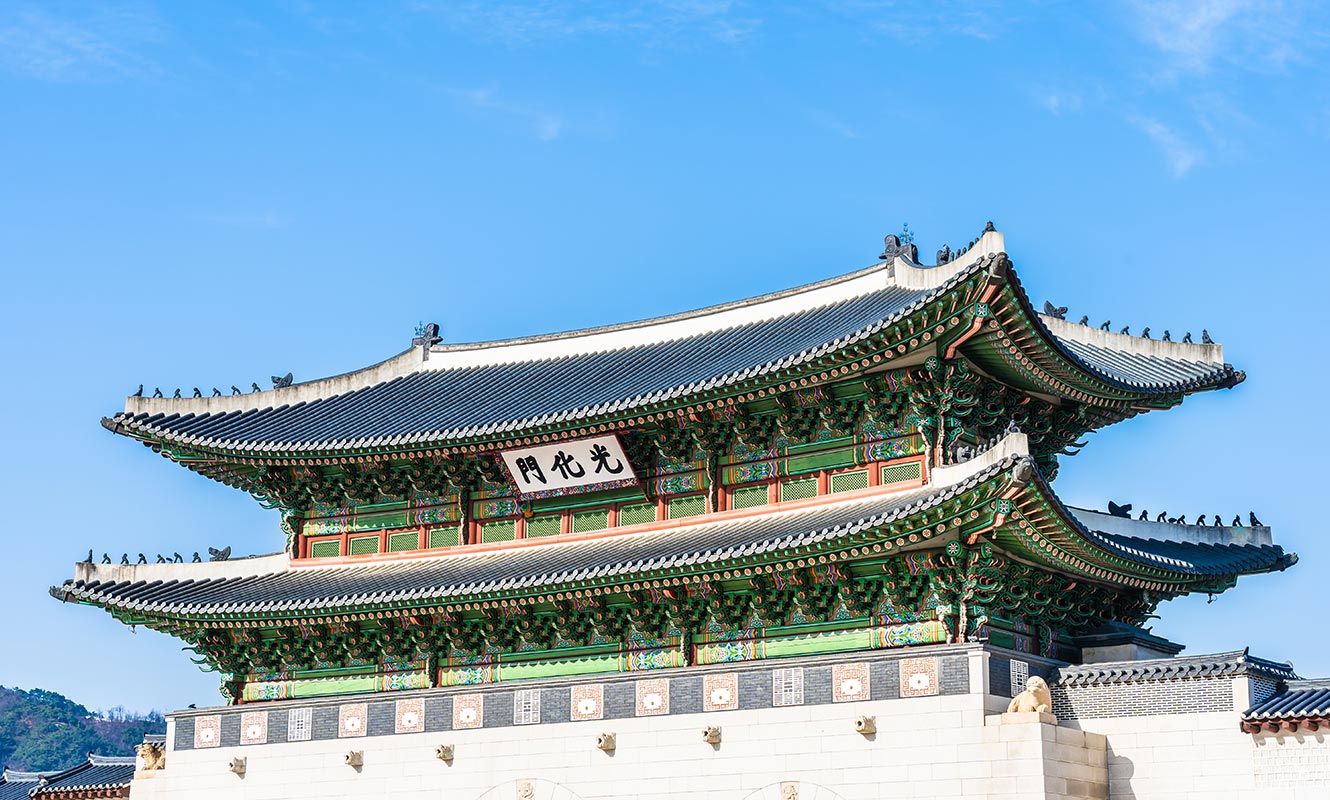
Application And Admission Requirements İn South Korea
The admission process for universities in South Korea is generally based on the applicant’s academic background and language proficiency. International students are usually required to submit a high school diploma or bachelor’s degree certificate, official transcripts, and proof of language proficiency. For English-taught programs, universities commonly require standardized test results such as IELTS or TOEFL. For Korean-taught programs, students may need to provide TOPIK (Test of Proficiency in Korean) results.
Applications are typically submitted through the universities’ online application systems. Some institutions may also request additional documents such as a motivation letter, recommendation letters, or interviews. Many universities have two main admission periods each year, usually for the spring and fall semesters.
Universities İn South Korea
|
University |
City |
Courses / Programs |
|---|---|---|
|
Seoul National University |
Seoul |
Engineering, medicine, law, business, natural sciences, social sciences, humanities |
|
Korea University |
Seoul |
Business, law, engineering, computer science, economics, social sciences, media |
|
Yonsei University |
Seoul, Incheon, Wonju |
Business, engineering, medicine, social sciences, communication, international studies, humanities |
|
KAIST (Korea Advanced Institute of Science and Technology) |
Daejeon |
Engineering, computer science, artificial intelligence, robotics, biotechnology, physics |
|
POSTECH (Pohang University of Science and Technology) |
Pohang |
Engineering, computer science, physics, chemistry, materials science, biotechnology |
|
Sungkyunkwan University |
Seoul, Suwon |
Engineering, business, computer science, biotechnology, medicine, social sciences |
|
Hanyang University |
Seoul, Ansan |
Engineering, technology, business, architecture, medicine, media and communication |
|
Kyung Hee University |
Seoul, Suwon |
Medicine, engineering, business, tourism, natural sciences, social sciences, arts |
|
Ewha Womans University |
Seoul |
Humanities, social sciences, business, engineering, arts, design, medicine |
|
Sogang University |
Seoul |
Business, economics, engineering, computer science, social sciences, communication |
|
Sejong University |
Seoul |
Tourism and hospitality, engineering, business, computer science, arts and design |
|
Ajou University |
Suwon |
Engineering, information technology, medicine, business, international studies |
|
Konkuk University |
Seoul, Chungju |
Engineering, business, biotechnology, medicine, social sciences, arts |
|
Gachon University |
Seoul |
Medicine, engineering, technology, business, health sciences |
|
Seoul National University of Science and Technology |
Seoul |
Engineering, technology, computer science, design, business |
|
Chung-Ang University |
Seoul, Anseong |
Film, theatre, media, performing arts, business, engineering, medicine |
|
Kangwon National University |
Chuncheon, Samcheok |
Biotechnology, engineering, environmental sciences, agriculture, health sciences |
|
Woosong University |
Daejeon |
Business, information technology, media, culinary arts, international studies |
|
Hanseo University |
Seosan, Taean |
Aviation, artificial intelligence, engineering, design |
|
Seokyeong University |
Seoul |
Beauty arts, fashion, design, business, culture and arts |
|
Silla University |
Busan |
Business, engineering, tourism, arts, media, health sciences |
|
Dong-A University |
Busan |
Engineering, business, law, medicine, social sciences, arts |
Living Costs İn South Korea
Living costs in South Korea may vary depending on the city and the lifestyle of the student. In large cities such as Seoul, living expenses can be higher, while cities like Busan or Daegu may offer more affordable options. Students typically live in university dormitories, shared apartments, or private student housing.
On average, international students spend approximately 800 to 1,400 USD per month on living expenses, including accommodation, food, transportation, and personal costs. The total cost may vary depending on the student’s lifestyle and the city where they live.
Work Permit For University Students İn South Korea
International students studying in South Korea are allowed to work part-time under certain conditions. Students can usually work a limited number of hours during the academic semester, which allows them to gain international work experience and support their living expenses.
South Korea’s strong economy and advanced technology sector also provide internship opportunities for students, particularly in fields such as engineering, information technology, and business. Many students gain valuable professional experience during their studies, which can help them build successful careers after graduation.
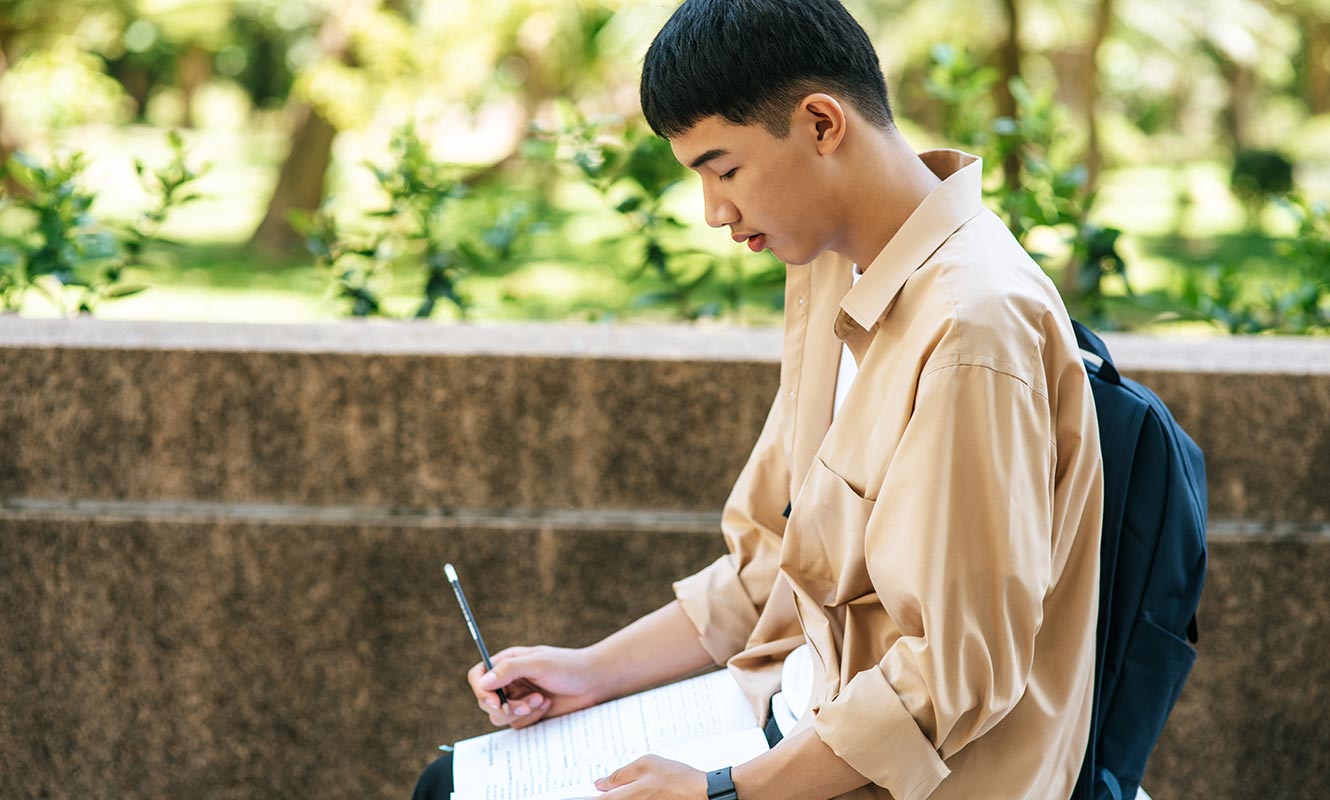
South Korea Student Visa
International students who wish to study in South Korea must obtain a D-2 student visa. To apply for this visa, students must first receive an official admission letter from a Korean university. Once accepted, students can begin the visa application process by preparing the required documents.
Typical documents required for the visa application include a valid passport, university acceptance letter, proof of financial resources, and accommodation details. Applications are usually submitted through the South Korean embassy or consulate in the student’s home country.
Why Choose University Education İn South Korea
South Korea is an attractive destination for international students due to its advanced technology, innovative education system, and strong economy. Universities in South Korea offer modern teaching methods, strong research opportunities, and connections with leading global industries.
In addition, South Korea’s unique culture, safe environment, and vibrant cities provide students with a rich international experience. Studying in South Korea allows students to gain both high-quality education and valuable global perspectives.
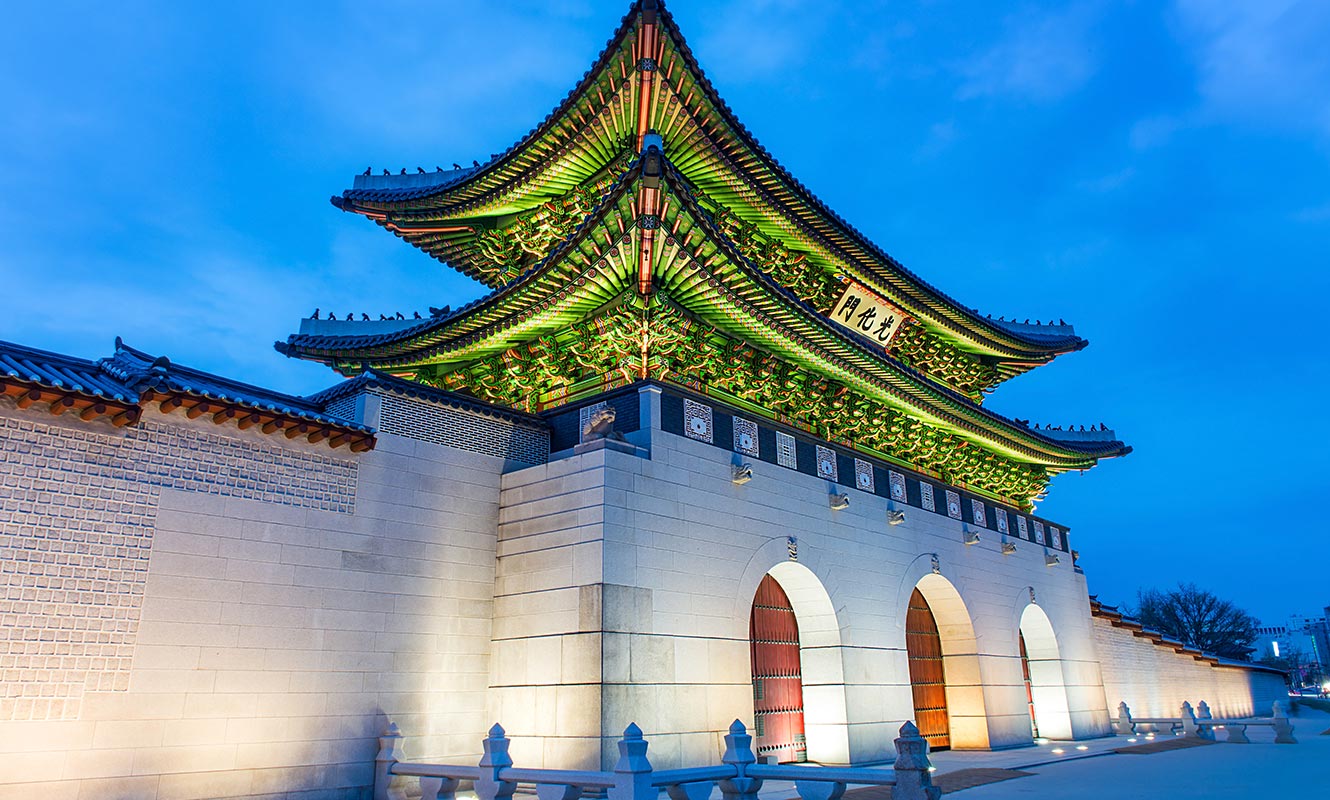
University Education İn South Korea With Ngglobal
NGGlobal provides professional consultancy services for students who wish to pursue university education in South Korea. With its experienced team of advisors, NGGlobal helps students choose the most suitable universities and programs according to their academic background and career goals.
NGGlobal supports students throughout the entire process, including university selection, preparation of application documents, submission of university applications, and guidance during the student visa process. With the support of NGGlobal, students can confidently manage their study abroad journey and increase their chances of admission to universities in South Korea.