
Let's Call You
By filling out the contact form below, you can have our overseas education consultants contact you.
Popular Universities


Malta Master's Application Dates
Application dates for master's programs in Malta may vary depending on the university and program, but there are generally two main periods. For many programs, applications for the October/Winter term (Fall intake) open between March and June, with application deadlines extending until June-July; for example, at some institutions like the University of Malta, applications for the October start date may be as late as July 22nd, and it is advisable to complete them earlier if a visa is required for non-EU students. Also, at some schools, applications for the February/Spring term (Spring intake) are made between September and November. Some private institutions may offer different start dates such as February, May, or September; therefore, it is always beneficial to check the academic calendar of your preferred university.
Malta Master's Degree Application Requirements
To be accepted into master's programs in Malta, candidates are expected to meet certain academic and language criteria. Generally, the first requirement is having a bachelor's degree from a recognized university in the relevant field and submitting a transcript; some universities may require a specific grade point average (e.g., minimum GPA) for this degree. English language proficiency is also mandatory for master's applications; most programs require internationally recognized test scores such as IELTS 6.5 or TOEFL iBT ~90-95. Applications usually require the submission of documents such as an up-to-date CV, a motivation letter, and academic reference letters. Some schools may also conduct interviews or additional assessments depending on the program. It is very important for candidates to check the specific requirements of the university and program they are applying to in the school's academic calendar.
Which Cities in Malta Should You Choose for Your Master's Degree?
The citi...
Malta Master's Application Dates
Application dates for master's programs in Malta may vary depending on the university and program, but there are generally two main periods. For many programs, applications for the October/Winter term (Fall intake) open between March and June, with application deadlines extending until June-July; for example, at some institutions like the University of Malta, applications for the October start date may be as late as July 22nd, and it is advisable to complete them earlier if a visa is required for non-EU students. Also, at some schools, applications for the February/Spring term (Spring intake) are made between September and November. Some private institutions may offer different start dates such as February, May, or September; therefore, it is always beneficial to check the academic calendar of your preferred university.
Malta Master's Degree Application Requirements
To be accepted into master's programs in Malta, candidates are expected to meet certain academic and language criteria. Generally, the first requirement is having a bachelor's degree from a recognized university in the relevant field and submitting a transcript; some universities may require a specific grade point average (e.g., minimum GPA) for this degree. English language proficiency is also mandatory for master's applications; most programs require internationally recognized test scores such as IELTS 6.5 or TOEFL iBT ~90-95. Applications usually require the submission of documents such as an up-to-date CV, a motivation letter, and academic reference letters. Some schools may also conduct interviews or additional assessments depending on the program. It is very important for candidates to check the specific requirements of the university and program they are applying to in the school's academic calendar.
Which Cities in Malta Should You Choose for Your Master's Degree?
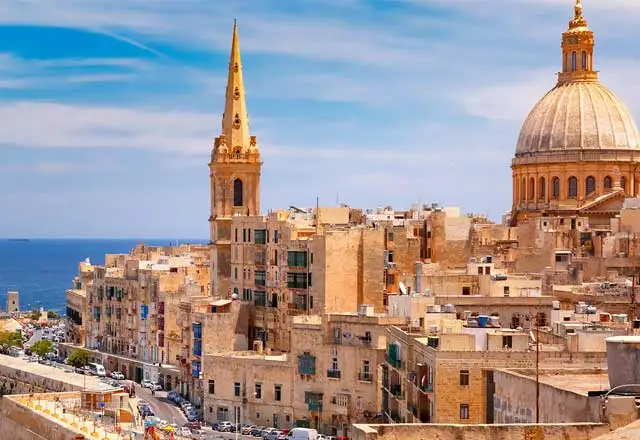
The cities preferred for postgraduate studies in Malta are concentrated in terms of university locations and living conditions. The capital, Msida, is a top choice for postgraduate students due to its hosting of the University of Malta, the country's largest and oldest university. It stands out for its proximity to the university, ease of transportation, and student-oriented lifestyle. Valletta, with its cultural and historical atmosphere, is particularly attractive for students wishing to study social sciences, international relations, and the arts. For those seeking a quieter life, Sliema and St. Julian's are frequently chosen by postgraduate students for their modern lifestyle, language schools, and private educational institutions. These cities offer ideal options for students who want to balance quality education with a vibrant social life.
Which Master's Programs Are Popular in Malta?
Certain academic fields are particularly popular among master's students in Malta. Business, management, finance, and marketing master's programs are in high demand due to the country's international structure and economy-focused educational opportunities. With the rise of technology and digital transformation, fields such as computer science, data science, artificial intelligence, and information technology also attract student interest. Furthermore, international relations, law, maritime management, tourism, and hospitality programs are among the preferred master's fields due to Malta's geographical location and sectoral advantages. Disciplines such as health sciences, educational sciences, and sustainability are also increasingly in demand. Students generally choose one of these popular fields based on post-graduation job opportunities, industry trends, and personal interests.
How Do Universities in Malta Rank for Master's Degrees?
While universities in Malta offering master's programs may not rank very highly in global rankings, they stand out as stable and recognized institutions. In particular, the University of Malta, the country's oldest and largest state university, generally ranks in the 800-1000+ range in international rankings such as QS and Times Higher Education, and may perform even better in some subject-specific assessments. Universities in Malta are preferred for their quality of education, post-graduation job opportunities, and international recognition, rather than academic rankings, thanks to their small class sizes, application-oriented programs, and English-language instruction. In this respect, Malta offers an attractive option for students seeking practical experience and career-oriented education rather than prestige for their master's degrees.
What are the Tuition Fees for Master's Degrees in Malta?
Master's degree tuition fees in Malta vary considerably depending on the type of university, program, and location. As a general range, tuition fees at state and public universities can be around **€3,000 – €10,000**; some sources suggest lower fees, particularly for public programs, and this can vary depending on whether you are an EU citizen.
At private universities and for programs taught in English, annual fees are generally in the €7,000 – €15,000 range; this figure can be higher for prestigious MBA or specialized master's programs. For example, some schools may charge around €10,000-€18,000 for MBA programs or certain master's degrees.
Individuals also have their own pricing; for example, some master's programs average around €7,000 per year, while schools like GBS Malta may charge between €7,000 and €10,000.
In addition to these fees, living expenses, accommodation, and other education-related costs should be budgeted separately, as Malta postgraduate tuition fees can vary from program to program.
General Information About Malta
Malta consists of three large islands: Malta, Gozo, and Comino. The country's total area is approximately 316 square kilometers. Malta has a Mediterranean climate, with hot and dry summers and mild and rainy winters. Malta has two official languages: Maltese and English. English is widely used in education and business and plays an important role in international communication. Malta has a rich history and cultural heritage. The country has been home to different civilizations since ancient times. Many civilizations, such as the Phoenicians, the Roman Empire, the Arabs, the Knights, and the British, have had an impact on Malta's history. Therefore, Malta has many historical and cultural heritage sites. Malta is a famous tourist destination with its beautiful beaches, historical sites, natural beauty, and underwater caves. Places such as Valletta, Mdina, the Blue Grotto, Gozo Island, and the Hypogeum are particularly popular with visitors. Malta has a rapidly developing economy. The service sector plays a significant role in areas such as finance, tourism, language schools, and the gaming industry. Malta is also a member of the European Union, which offers trade and business opportunities. Malta is a popular study destination for international students. The country's universities and language schools offer high-quality education. The University of Malta is a prestigious university offering study programs in many fields, including medicine, engineering, business, arts, and humanities.
Frequently Asked Questions
What are the Accommodation Options in Malta?
Universities in Malta generally provide students with dormitories on or near campus. These dormitories offer students affordable accommodation and are usually equipped to meet all basic needs. Students can share expenses by renting a house or apartment with other students. This option provides independence and more freedom. Common areas such as the kitchen, bathroom, and living room are usually shared. Homestay accommodation is also an option in Malta. Students can live with a local family and experience the local culture and language better. Homestay accommodation usually includes meals. There are also private dormitories in Malta. These dormitories offer students single or shared rooms, social areas, and sometimes meals. Private dormitories generally offer different price and service options.
What are the Cost of Living in Malta?
Accommodation costs vary depending on location, type of accommodation, and preferred standards. Shared accommodation or student residences may be more affordable, while private apartments or homestays can be more expensive. Monthly accommodation costs generally range from €300 to €800. Estimated monthly food and beverage expenses can range from €200 to €400. Public transportation, including buses and ferries, is widely used in Malta. Bus tickets are generally affordable. Monthly public transportation costs can range from €40 to €70. Students can also consider renting a bicycle. Healthcare in Malta is of a high standard. International students are generally required to have health insurance. Health insurance costs vary depending on the plan and coverage. Estimated monthly health insurance costs can range from €30 to €100. Personal expenses, social activities, and entertainment affect the cost of living. These expenses vary depending on individual preferences and lifestyle. You may need to set aside between 100 and 200 euros per month for activities such as movies, sightseeing, sporting events, and restaurant visits.
Scholarship and Free Education Opportunity in Italy!
Apply now for Bachelor and Master's programs in English and Italian in Italy, free education opportunity take advantage.

By filling out the contact form below, you can have our overseas education consultants contact you.