










Studying At University İn Japan
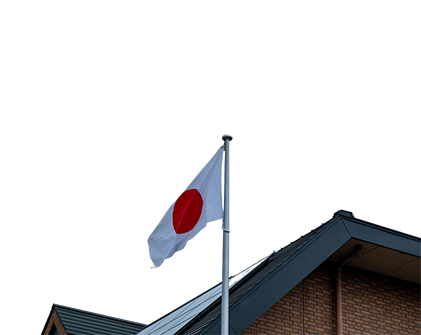
Japan is known for its highly developed education system and globally respected universities. The country is particularly strong in fields such as technology, robotics, engineering, artificial intelligence, and scientific research. Japanese universities focus on developing students’ analytical thinking, problem-solving abilities, and research skills through a combination of theoretical knowledge and practical experience.
Cities such as Tokyo, Kyoto, Osaka, and Nagoya are home to some of the most prestigious universities in Japan and provide international students with modern campuses and multicultural academic environments. Studying in Japan also gives students the opportunity to live in one of the world’s leading technology and innovation centers. Global companies such as Toyota, Sony, Mitsubishi, and Panasonic are headquartered in Japan, creating valuable career opportunities for graduates.
Application And Admission Requirements İn Japan
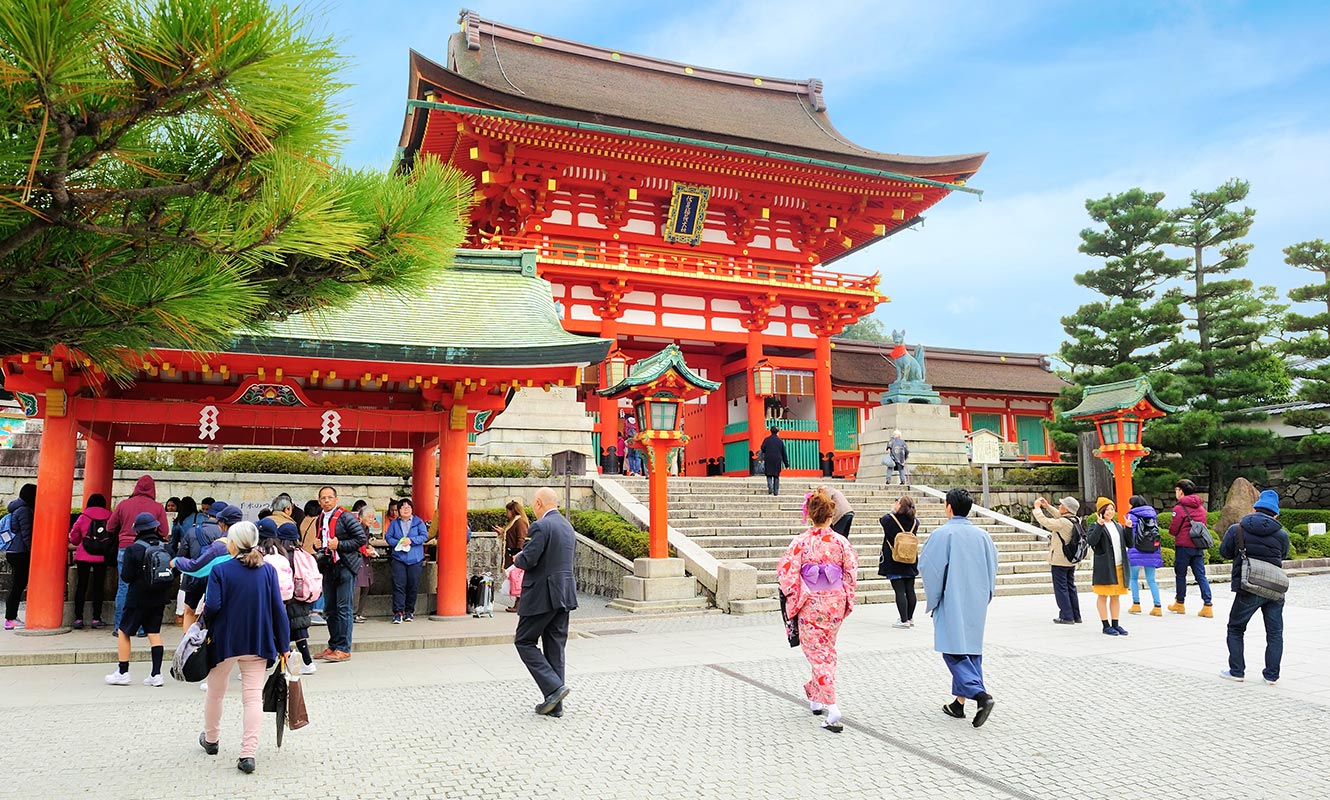
Students who wish to study in Japan must meet specific academic and language requirements. For bachelor’s programs, applicants must have a recognized high school diploma and provide official academic transcripts. For master’s programs, a relevant bachelor’s degree is required.
The language of instruction in Japan is often Japanese; however, the number of English-taught programs for international students has been increasing in recent years. For English programs, universities usually require proof of English proficiency such as IELTS or TOEFL. For Japanese-taught programs, students may be required to provide results from the Japanese Language Proficiency Test (JLPT).
Some universities may also request additional documents such as a motivation letter, recommendation letters, or entrance examinations as part of the admission process.
Best Universities İn Japan
Japan is home to several world-renowned universities known for their academic excellence and research achievements.
- University of Tokyo
- Kyoto University
- Osaka University
- Tokyo Institute of Technology
- Tohoku University
- Nagoya University
- Hokkaido University
These universities are especially respected for their contributions to science, engineering, and technology research.
Major Private Universities İn Japan
| University | City | Short Description |
|---|---|---|
| Waseda University | Tokyo | One of Japan’s most prestigious private universities, well known for programs in business, politics, and international relations. |
| Keio University | Tokyo | One of the oldest private universities in Japan with strong programs in economics, business, and technology. |
| Ritsumeikan University | Kyoto | A large modern university offering several English-taught programs for international students. |
| Sophia University | Tokyo | Known for strong international relations and social sciences programs taught in English. |
| International Christian University | Tokyo | A prestigious liberal arts university offering English-based education in an international environment. |
Living Costs İn Japan
Living costs in Japan vary depending on the city and lifestyle of the student. Large cities such as Tokyo tend to have higher living expenses, particularly for accommodation, while cities such as Osaka or Fukuoka may offer more affordable options. On average, international students can expect monthly living costs between €900 and €1,500.
These expenses typically include accommodation, transportation, food, health insurance, and personal spending. Japan is also known for its highly efficient public transportation system and safe living environment, which makes it comfortable for international students.

Work Permit For University Students İn Japan
International students in Japan are allowed to work part-time under certain conditions. Students can typically work up to 28 hours per week during the academic term. During long vacation periods, students may be allowed to work additional hours.
Students often find part-time job opportunities in restaurants, retail stores, service industries, or within universities as research or teaching assistants. Working while studying can help students manage their living expenses and gain valuable international work experience.
Japan Student Visa
Students who wish to study in Japan must apply for a student visa. The visa process usually begins after the student receives an acceptance letter from a Japanese university. The university typically assists in issuing a document called the Certificate of Eligibility (COE), which is required for the visa application.
Students must also provide proof of financial resources, health insurance, academic documents, and accommodation information. After receiving the COE, students can apply for their student visa through the Japanese embassy or consulate in their home country.
Why Choose Japan For University Education?
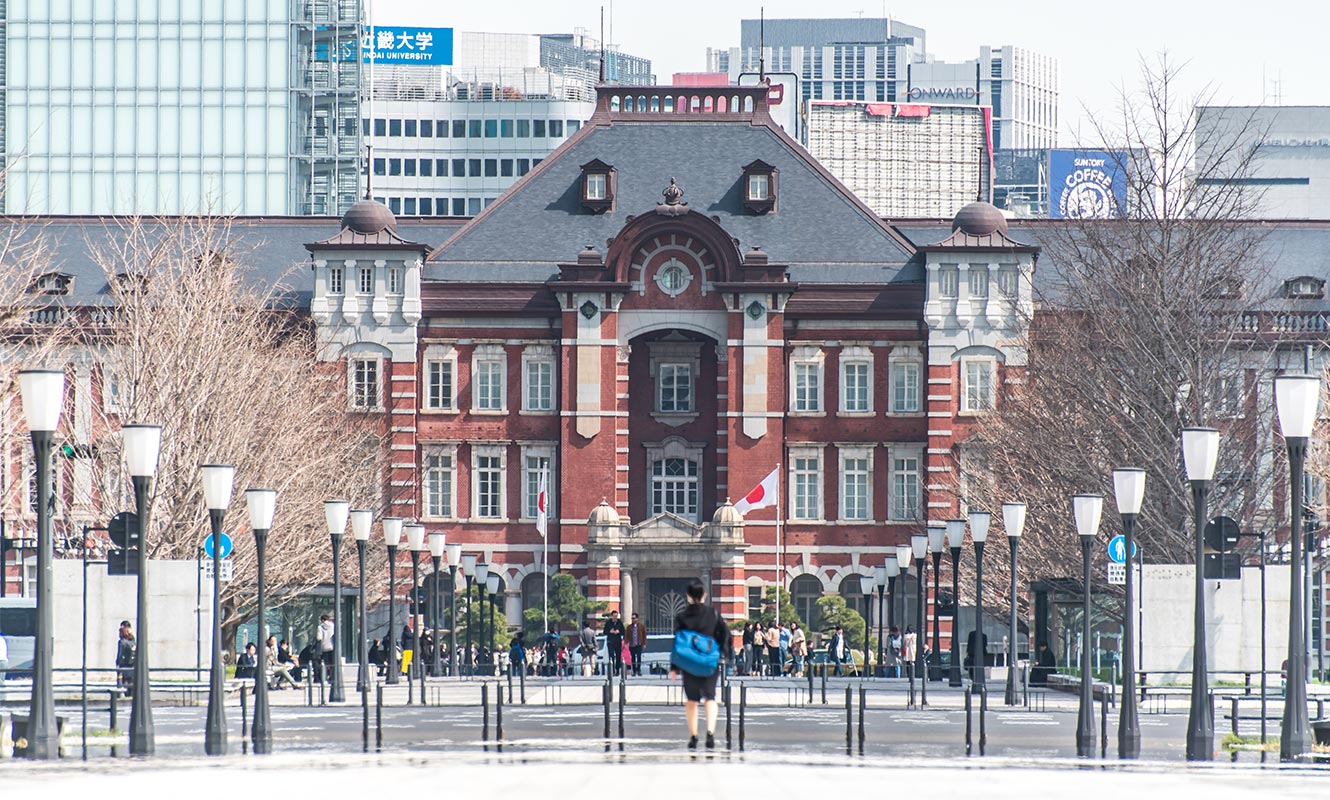
Japan is one of the world’s leading countries in technology and innovation. The country is especially known for excellence in fields such as robotics, artificial intelligence, engineering, and advanced manufacturing. Japanese universities offer modern research facilities and highly qualified academic staff, providing students with access to cutting-edge knowledge and technology.
In addition to academic excellence, Japan offers a unique cultural experience, safe cities, and a highly organized lifestyle. Studying in Japan allows students to gain both academic knowledge and international cultural experience, which can be highly valuable in today’s global job market.
University Education İn Japan With Ngglobal
NGGlobal provides professional consultancy services for students who want to study at universities in Japan. Our expert team evaluates each student’s academic background and career goals to recommend the most suitable universities and programs.
NGGlobal supports students throughout the entire process, including preparing application documents, writing motivation letters, managing university applications, and guiding students through the student visa process. We also assist students with accommodation arrangements and preparation for student life in Japan, ensuring a smooth transition into their international education journey.